.png)
News
Functional microarchitecture: the furniture and wood trend arrives at interzum bogota Bogotá, March 2026.
Functional micro-architecture also connects with “Roots of the Future,” the central theme of the 2026 edition of interzum bogota, which proposes understanding wood not only as a material, but as part of a value chain that begins in the forest, continues through increasingly efficient and sustainable industrial processes, and translates into contemporary design solutions. In Latin America, this conversation is especially relevant: the region has high timber potential and an industry that is advancing in traceability, responsible use of the resource, and more circular production models. Designing transformable furniture also involves optimizing raw materials, reducing waste, and meeting the technical standards demanded by today's international market.
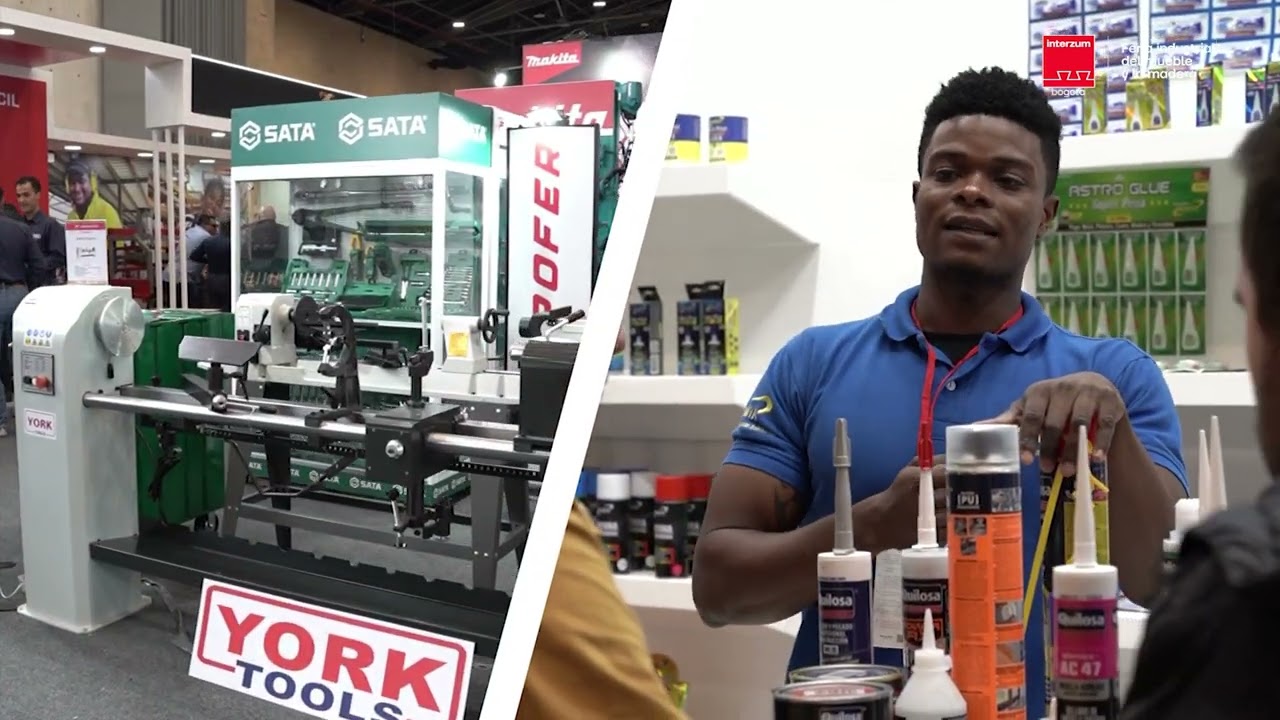
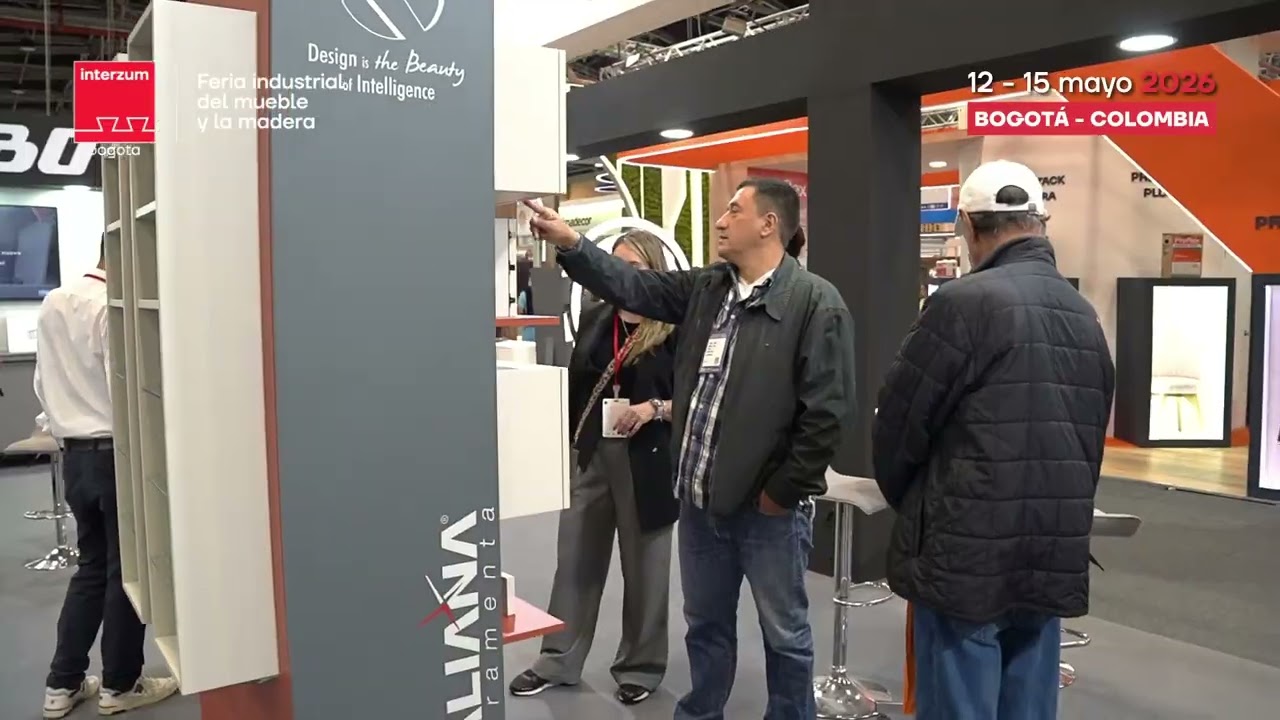
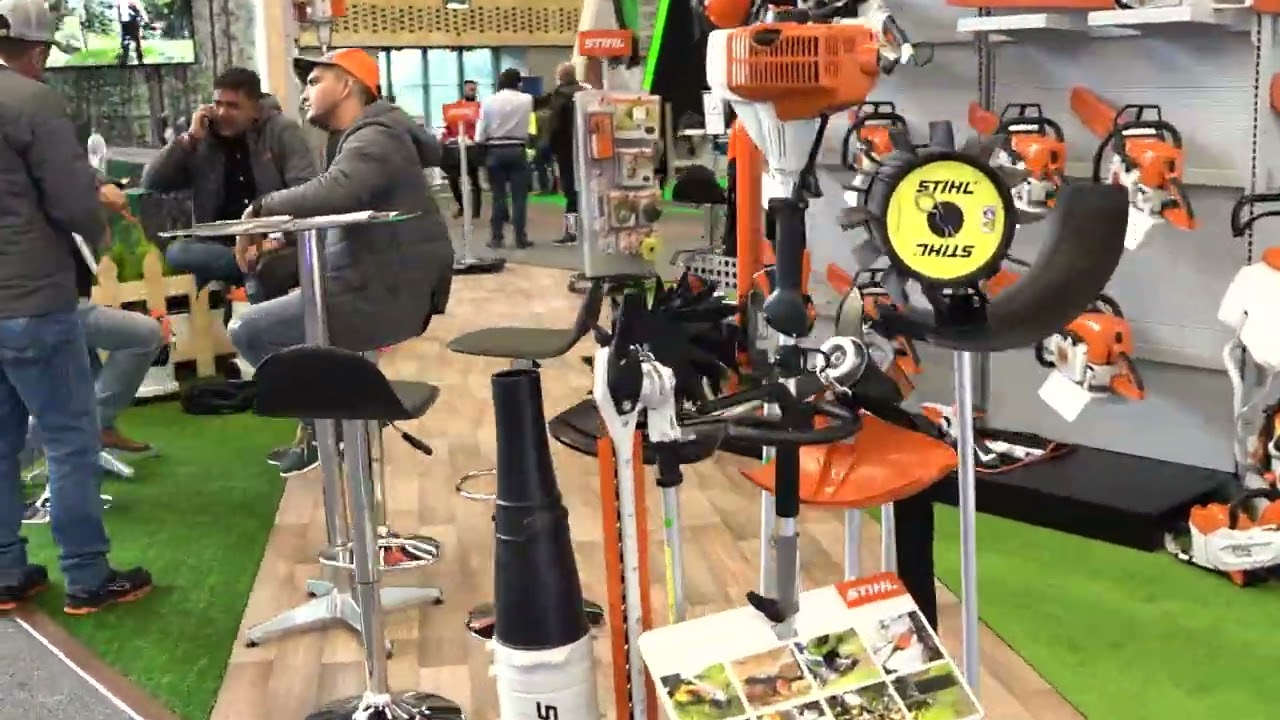
For functional micro-architecture to work well, several pieces are needed simultaneously, such as reliable mechanisms, durable materials, and experienced suppliers. Obtaining these separately often takes weeks. In this part of the world, there are spaces that bring them together in one place, such as interzum bogota, where it is possible to find solutions, components, and technologies to develop these types of projects. “Space optimization has become a priority for architects and designers. Functional micro-architecture allows a single space to serve multiple purposes without sacrificing aesthetics or comfort, extending intelligent design to projects of any scale,” says Ana Garibello, Project Manager for Corferias' interzum bogota.
The key to these pieces of furniture that merge bed, sofa, table, and bookcase lies not only in the wood but also in the engineering of the hardware. Unlike the folding furniture of the past, these high-performance systems utilize invisible mechanisms and precision technology that allow heavy pieces to move with complete fluidity and without effort.
In functional micro-architecture projects, the result depends on very specific technical decisions. Therefore, when specifying, components such as the following typically come into play:
- Assisted movement hardware: mechanisms that allow pieces to be opened, folded, and transformed safely and smoothly in daily use.
- Engineered woods: boards designed to be lightweight when the furniture needs to be moved, without losing stability or strength.
- High-resistance surfaces: materials prepared for the constant wear and tear of furniture that is opened and closed several times a day.